

Portland’s Rental Market Is Building Momentum
What property owners need to know heading into peak leasing season

Spring has arrived — and so has peak leasing season. If you own a rental property in the Portland metro area, here’s what we’re seeing on the ground and what it means for your investment strategy as we head into the most active months of the year.
The momentum is real — and building
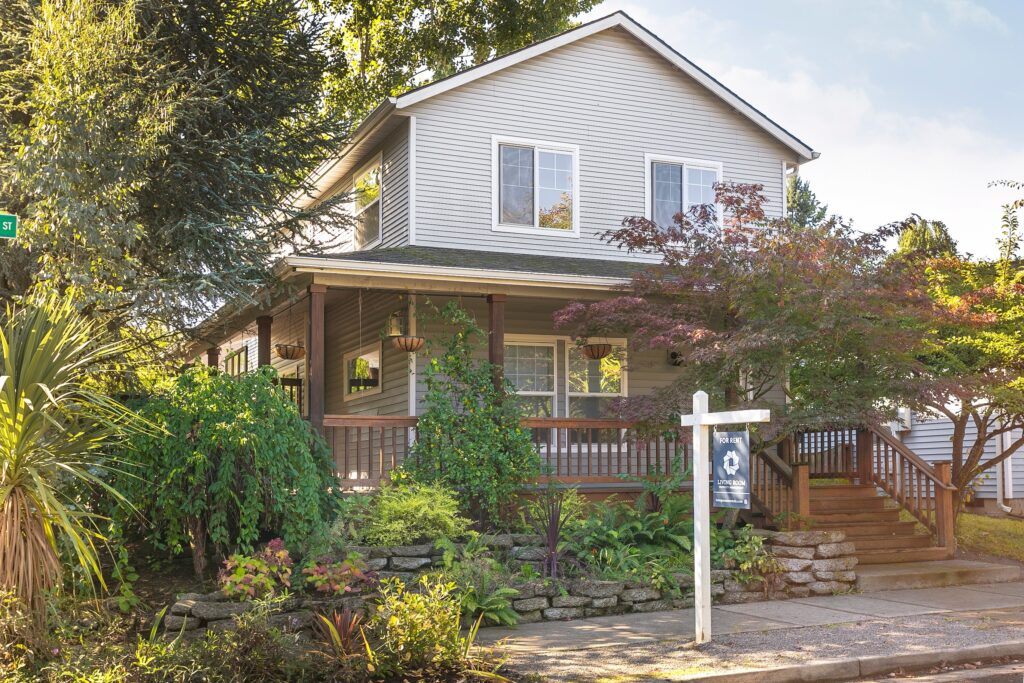
We recently scheduled more than 20 showings in a single week for a charming two-bedroom, one-bath home — and still had to turn away tours we simply couldn’t fit in. Demand like that is a signal worth paying attention to.
Our March move-ins averaged 28.6 days on market — well ahead of the 58-day average Zillow is currently reporting for Portland. We’ll be honest: just under a month on market is still a stressful stretch for any owner watching a property sit vacant. That’s exactly why we don’t price based on what rented six months ago. We look at what’s moving right now, set price accordingly, and treat two weeks on market as the threshold we’re always working to beat. Staying current with the market — rather than anchored to past trends — is what keeps vacancy short and owners out of that anxious waiting game.
As of April 11th, there are 557 available rentals across the city on Zillow. That inventory is moving, and the pool behind it is not being replenished at the same rate.
The takeaway from local mortgage professional and certified financial planner at last week’s Economic Update here at Living Room is those who stay in the rental game are positioned to see rent increases ahead — Portland simply doesn’t have the incoming inventory to keep pace with demand.
Evan T. Swanson of Guild Mortgage
That outlook aligns with what we’re tracking. Over the past few years, the Portland rental market has been absorbing a wave of inventory from prior construction booms, keeping rates relatively flat. But that runway is getting shorter. When it runs out, owners who stayed patient stand to benefit.
What our March data shows
Looking at our own portfolio’s March 2026 move-ins, rent variances from previous tenants were essentially flat — 43% of homes held or increased rent from the prior lease, while 57% came in modestly below, with no dramatic swings in either direction. The average change across the group was just −$11.
For context on the broader market: the Portland Altos Report — a real estate data service that tracks active listing prices using a proprietary methodology — has shown single-family home rental pricing holding steady in a tight $2,450–$2,495 range since the start of 2026. Zillow’s current average sits higher at $2,800, with a $105 month-over-month increase — another indicator that the floor is starting to rise.
A note on Vancouver vs. Portland
Because we manage homes on both sides of the river, we took a fresh look at how the two rental markets compare — and the gap was more pronounced than we expected. Vancouver, WA rentals are currently coming in at nearly $200 less per month on average than comparable Portland homes. We had assumed the rental market might be mirroring the sales market, where the two cities have been moving closer together, but the rental side tells a different story. For tenants, that difference may or may not justify a daily commute over the bridge — but for owners on the Portland side, it’s a meaningful distinction worth knowing.
One segment to watch: vintage studios
Not all product types are performing equally. Vintage studio apartments are the segment currently seeing the most softness — longer days on market, more concessions, more competition among landlords for qualified tenants. If you own one of these units, pricing strategy and presentation matter more right now. We’re happy to walk through options with you.
Our recommendation to owners: stay the course — strategically
This month’s advice mirrors what we shared in our March Market Update, because it still holds.
If you own a single-family home, you may not need to reduce rent when a new tenant comes in — the data supports holding. But there is a deliberate strategy in pricing at or just below market: it creates a sense of value for your tenant. When a home feels like a fair deal compared to other options, tenants have less reason to leave. Renting at the very top of the market means your tenant has plenty of equally priced alternatives, making it easier for them to justify a move when a new job or daycare opens up across town.
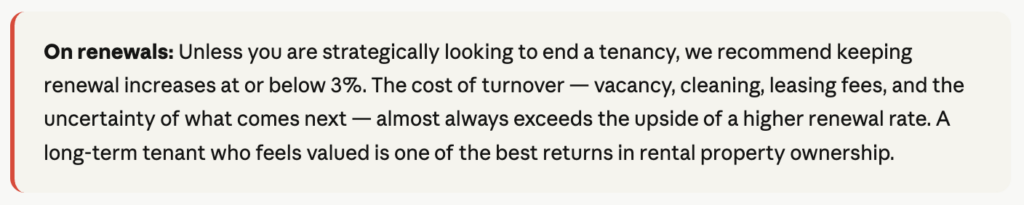
We know that for many property owners, the last few years have been a quiet grind — cash flow tight, rents flat, the math not always adding up the way you hoped when you got into this. Being a long-term housing provider takes patience, and that patience deserves a payoff. A strengthening rental market means stronger returns are coming, and the owners who have held on are the ones who will feel it. When rents begin to reflect true demand, this stops being about breaking even and starts being a genuinely strong investment — one that works for you and continues to provide stable, quality housing for the people who call your property home. That’s a win worth holding out for.
As always, reach out with questions about your specific property. We’re here.
Living Room Property Management · Portland & Vancouver · April 2026
Data sources: Living Room internal March 2026 move-in tracker, Zillow Rental Manager Report (April 9, 2026), Portland Altos Report (YTD 2026), Evan T. Swanson (mortgage professional & CFP, Living Room Economics presentation, April 2026).