


For Owners
Do you need more hours in the day? Let Living Room’s Property Management and Maintenance Team free you from the most time-consuming rental management duties. Eliminate late-night emergency calls, weekend showings, service repairs, contract drafting, and tenant negotiations. We provide a safe place for property investors and tenants to make room to live.
What’s Included In a Monthly Management Fee?

Tenant Services & Property Care

Coordination of Routine Service Requests for Occupied Units
We manage all the day-to-day coordination of service requests with an attempt to save money and time by troubleshooting solutions with your tenants before dispatching vendors.
After-Hours Emergency Maintenance Coordination
Formal & Informal Tenant Communications
We offer tenants the support and tools they need to succeed in their homes. This includes sending important lease notifications, roommate changes, neighbor disputes, and an online tenant communication portal, among other things.
Strategy & Lease Updates

Rental StratEgy
High-level strategy that protects your investment and provides a positive tenant experience to maximize your home’s long-term rentability. We’re right beside you with clear recommendations and a plan. We also help you stay knowledgeable about laws, strengthen tenant relationships, and make decisions that keep your property performing. And when challenges arise, our attorney partners offer specialized support that private landlords typically don’t have access to.
Mid-Tenancy Tenant Addenda
Financial Services & Reporting

Rent Collections
Financial Reporting
Annual Tax Reporting
Move Out Accounting
Homes we serve
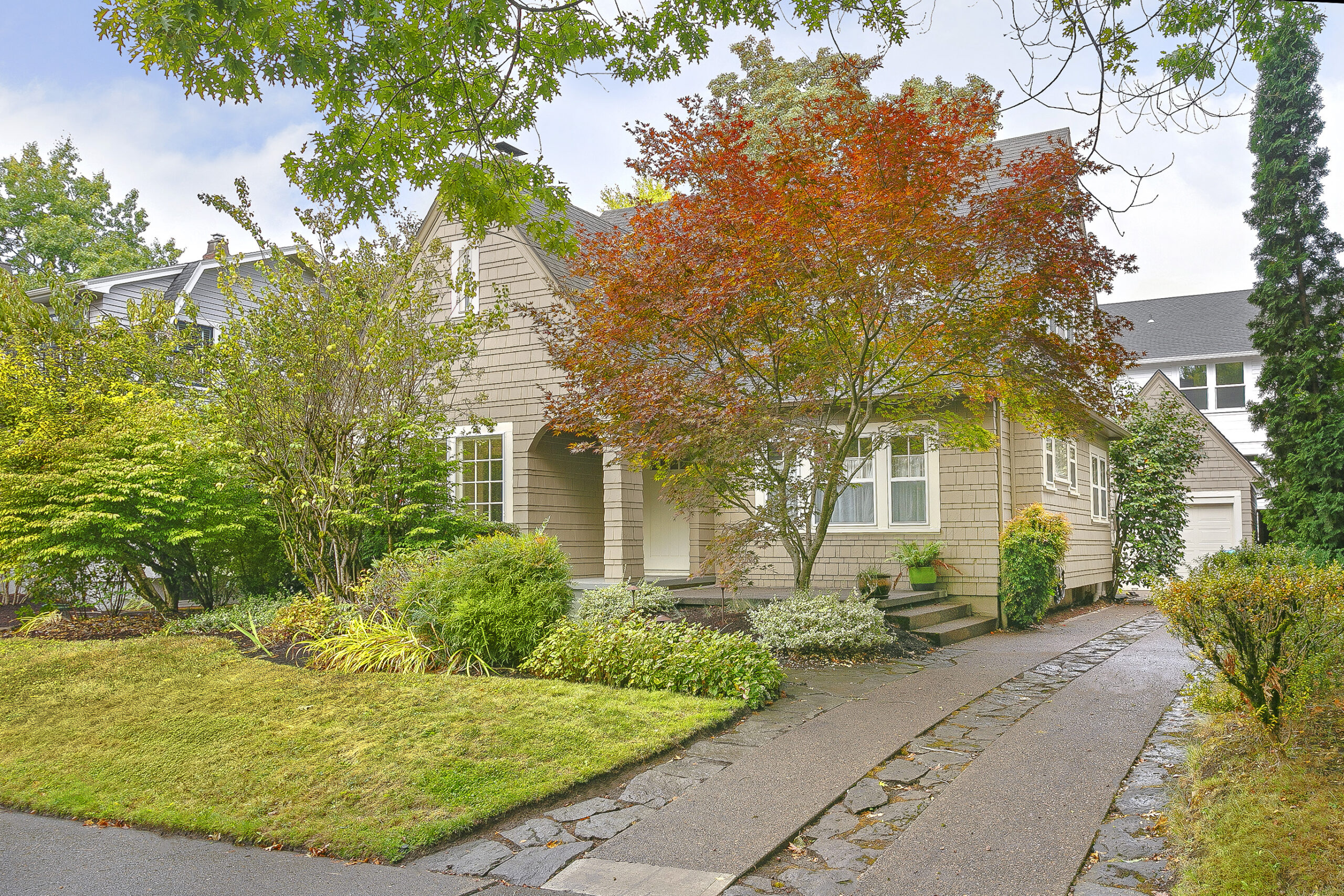
If you are looking for full-service management of a property or a portfolio of properties that could be described as unfurnished, single-family, condo, small apartment (up to 6 units each), townhome, or ADU, we might be a perfect fit for your portfolio. Ask about our lease-only services too!
Where we serve
We pride ourselves in being Portland rental market experts and love managing homes in our beautiful city. Extending East to the 205, North into the City of Vancouver, WA, South to West Linn & Gladstone and West to Bethany in Beaverton and King City
Start a Conversation Today
Whether you are a professional real estate investor or a first-time rental owner, we can help. Single-family homes, small apartment buildings, townhomes, and privately owned condos looking for long-term renters are the perfect fit for Living Room’s portfolio. Our commitment to excellence, education, and technology, as well as our ability to respond and adapt to market forces, means we can confidently provide the highest caliber of service. Let’s talk.
Owner Resources
Living Room's Menu of Management Services
City of Portland Landlord Resources
Oregon Landlord-Tenant Law Resources
Washington Landlord-Tenant Law Resources
Preparing The Rental
Property Permit & Records Searches
Property Insurance References
Self-Managing Landlord Tools
Frequently Asked Questions
Tenant Selection
Check out the Tenant Resources page to find a copy of the Rental Screening Criteria. We use the same criteria across all municipalities, except for the option to apply as a Non-Financially Responsible (aka non-applicant) Tenant. This option is only available to applicants in the City of Portland, as required by the FAIR Act. To learn more about Living Room’s philosophy and a break down of how tenant screening really works, check out our Blog, Tenant Screening in Portland: Does it Actually Predict a “Good Tenant?”
No. Unlike the process of selling your home, Fair Housing Laws prohibit us from presenting a homeowner with multiple approved applicants and choosing the “best one.” Once the home is marketed, Living Room will follow the rule of, first come first serve. Applications will be processed one at a time, in the order they were received. If a home is considered to be an accessible unit, mobility-disabled applications will be moved to the front of the line. The first applicant processed will have an opportunity to meet the screening criteria before we move on to the next applicant. If an applicant is denied and requests a personal assessment of their application, our attorney would review and make a final decision on the applicant’s approval.
Yes. If the owner has presented Living Room with a potential renter, prior to publicly marketing the rental we will process the selected application first. Once approved, Living Room will draft lease documents, complete the move-in inspection, collect security deposits and process the rent payments. In this situation, the placement fee is reduced to only 25% of one month’s rent, which supports screening, lease drafting, and a formal move-in inspection with the new tenant.
No. That said, approximately 82% of Living Room tenants have an animal in the home, and the more restrictive a pet policy is, the smaller the qualified rental pool becomes.
For approved pets, monthly pet rent may be charged. Standard pet rent typically ranges from $25–$50 per pet, though it is not required. If you feel strongly about maintaining a pet-free home, we are happy to market the property as such.
If a home remains unrented beyond typical market timelines, one of the first levers we recommend adjusting is the pet approval policy and associated fees to improve demand.
Please note: Verified service animals and emotional support animals are not considered pets under fair housing law and must be accepted, even in properties marketed as pet-free. It is illegal to charge additional deposits or pet rent for service or support animals.
Marketing
Your listing will syndicate on Living Room’s website and approximately 30 additional sites through all of our marketing partners such as the Zillow Group, Redfin Rentals, Hotpads, Apartments.com, and Rentals.com, Realtor.com. These sites are subject to change as new sites are identified and existing sites change their policies.
To ensure prospective tenants experience the home at its best, we begin marketing once the property is vacant and professionally cleaned. This approach sets clear, realistic expectations for the condition the home will be delivered in at move-in. It also avoids disrupting current residents during the stress and clutter of a move-out.
Based on our experience, listing a home before it is vacant often leads to lost momentum, longer marketing timelines, and increased days on market—outcomes we work hard to avoid.
Security Deposits
A standard security deposit defaults to an amount equal to one month’s rent. In a competitive market, it is a strategy to market a reduced deposit to make the home more attractive (especially in the multifamily market). This is a great way to compete with the low move-in costs offered by surrounding apartment communities. Increased deposits are offered to conditionally qualified applicants who meet the basics of the screening criteria but come with some additional risk. The tenant’s risk is determined by factors like income, rental history, and credit. For more information, review the Rental Screening Criteria in our Tenant Resources section. It’s important to note that an approved applicant will never be charged a security deposit that exceeds 1.5 month’s rent as governed by the Portland Housing Bureau and adopted by Living Room in other municipalities.
No. Accepting more than first month’s rent and a security deposit from a new tenant is no longer standard practice. Requiring last month’s rent upfront also limits the amount of security deposit that can be collected for potential damages, making it a less effective approach overall.
Security deposit handling is a highly regulated process, and due to the litigious nature, Living Room has adopted the following guidelines to ensure compliance. We only withhold funds from the tenant’s security deposit for:
- Excessive cleaning
- Carpet cleaning
- Excessive wall damage
- Hauling of abandoned property
- Unpaid rent or utilities
- Fees related to rent or early lease termination
All other damages will be billed separately. If the tenant does not pay or set up a payment plan in 30-days, the charges will be sent to a collection agency.
If the owner prefers to withhold funds for all damages beyond the list above, they have the option to terminate management services and assume the responsibility for security deposit processing.
Rents
We begin with a comprehensive review of the market surrounding your rental, analyzing comparable homes that will be competing for the attention of your ideal renter. From there, we provide a recommended market rate—defined as the price most likely to lease the home within an average number of days based on current market conditions.
As the property owner, you may choose to prioritize fewer days on market or intentionally price the home below market to attract a long-term renter. We fully support this approach and will work with you to determine a marketable rate that aligns with your investment goals.
Rent collection is a highly systematized process designed to ensure consistency, fairness, and clear communication. This approach ensures all tenants are treated equally and given a full opportunity to bring their account current—often without the stress or disruption of court involvement.
Rent is due on the 1st of each month. Late fees are applied on the 5th in Oregon and the 7th in Washington. If rent remains unpaid, our office issues a formal rent demand notice on the 8th of the month (or the next business day).
Throughout this process, we work to stay in communication with the tenant to understand their situation and determine how we can support resolution. In many cases, tenants need only a few additional days to submit payment and can do so before the rent demand notice expires (typically around the 22nd of the month).
Rent received after the 14th of the month may delay the owner’s standard monthly distribution. If late payments are received, we will run an additional distribution toward the end of the month so homeowners don’t have to wait another month for funds.
Due to how the law is structured, we do not accept partial rent payments unless the tenant agrees to a written payment plan. These plans have proven effective, as they provide structured support while holding tenants accountable. As long as the tenant remains communicative and complies with the agreement, court action is not necessary. This allows us to take great care of tenants and avoid a vacancy ensuring a human approach to a tough situation.
If a tenant becomes unresponsive or defaults on a payment plan, we will proceed with filing to begin the eviction process. Even at this stage, we continue working with tenants by sharing rental assistance resources and cooperating with assistance providers. Unfortunately, many of the organizations funding rental assistance do not formally engage until an eviction filing has occurred.
Under current Oregon law (HB2001), eviction timelines are clearly defined, and property owners can expect the process to take approximately 2–6 months from filing to resolution. Property owners are responsible for court costs, which typically begin around $550 for filing and first appearance. Importantly, tenants retain the right to pay the full balance owed at any point before the court hearing to avoid eviction.
There is significant strategy involved in determining when and how to file if the eviction route is required. If a case reaches this stage, you will work closely with your Portfolio Manager to fully understand the timeline, costs, and expectations before moving forward.
Important Things to Know About Living Room's Management Services
We are looking to work with property owners who are willing to commit to a minimum term of 12 months. At the end of the 12 months, the contract will automatically convert to a month-to-month agreement. The property owners who plan to hold the home as a rental for 3+ years are our favorite!
Your Portfolio Manager is your primary point of contact and is supported by a full team behind the scenes. You’ll have direct phone numbers and email access, so you can reach us by call, text, or email as needed—and we’re always happy to connect by video. Each Portfolio Manager includes a calendar link in their email signature, making it easy to schedule a video call at a time that works for you.
Property owners are welcome to join us for property inspections and are always invited to stop by our office at SE 10th and Stark to say hello. While we aim for same-day responses whenever possible, our team is committed to a 24-business hour response time for all communications.
At Living Room Property Management, we believe people do their best work when they’re operating in their area of genius. That’s why we’ve built a team where you’re supported by specialists at every stage (see the team structure below). Once your tenant moves in, your Portfolio Manager will be your one, clear, consistent point of contact.
You’ll begin by working with Jennifer O’Brien, who takes special care of new clients joining our portfolio. Jennifer’s role is to make sure nothing gets missed and that you feel supported from day one—especially if this is your first time renting out a home or working with a property manager. She’ll walk you through what to expect, explain how the process works, and share the things you may not even know to ask yet. With a deep understanding of the local rental market and rental housing laws, Jennifer helps turn complex requirements into clear, practical guidance so you can move forward with confidence.
Once your home is ready to be marketed, you’ll be introduced to Seth, our Leasing Coordinator. Seth spends his days working directly with prospective tenants, tracking market conditions, and fine-tuning what it takes to get homes leased. While your home is on the market, he’ll check in with you weekly so you always know how interest, pricing, and showing activity are shaping up.
After the home is leased, your Portfolio Manager becomes your main point of contact. You’ll work with Flo or Misty, both of whom focus on relationships and long-term strategy. They’ll help you think through next steps, align decisions with your investment goals, and build strong working relationships with your tenants to support satisfaction and reduce turnover. From maintenance planning and renewals to lease questions and “what would you do if this were your house?” conversations, your Portfolio Manager is your go-to.
Behind the scenes, Amanda keeps the financial side running smoothly by processing invoices, preparing monthly owner statements, and delivering annual tax documents. Our maintenance team—led by Shoogs, alongside Amber and our Fixer Field Technicians—takes pride in caring for your home. They communicate clearly around work orders, repair options, project bids, timelines, expected downtime, and turnover planning when a home becomes vacant.
And if things ever get more complex, Coty Thurman, our President and Principal Broker, is always available to step in, taking the lead on legal matters. With over 26 years in the industry, Coty brings a steady hand, a strategic lens, and a strong commitment to ongoing education—so the guidance you receive is thoughtful, current, and grounded in real-world experience.
At every stage, our goal is simple: to take great care of your home, support the people living in it, and make the experience of being a housing provider feel informed, supported, and manageable.
We’re proud to manage homes here in the beautiful city of Portland. We believe deeply in this city, and we know that as housing providers, we play a meaningful role in shaping how Portland’s rental housing—and the people behind it—are experienced and perceived.
At Living Room Property Management, maintaining homes to a high standard isn’t just a policy—it’s a promise. When we place a Living Room sign in the yard, we’re putting our reputation on the line. That reputation is built on caring for homes in a way that protects your investment, supports the people living in it, and contributes positively to the surrounding neighborhood.
Because of this, we work best with property owners who are willing to go the extra mile—not only to meet habitability requirements, but to exceed them. While many homes may technically rent “as-is,” our standards are designed to attract tenants who take pride in where they live and who are more likely to care for the home as their own. In the long run, this approach leads to stronger tenancies, fewer issues, and better outcomes for everyone involved.
This also means that not every rental property—or property owner—is the right fit for Living Room, and that’s okay. Our standards exist to protect your asset, our tenants’ experience, and the long-term health of our business.
If you’re considering working with us, our Rental Prep Checklist is a great place to start. It outlines what we look for in a rent-ready home and helps ensure we’re aligned from day one.
Full-service management means we take full responsibility for the day-to-day operation of your rental—so you don’t have to. The experience, the communication, and the reputation of the service all rest on us.
In practice, this means all tenant communication flows through your Property Manager. We handle questions, concerns, maintenance coordination, and expectations directly with tenants, ensuring consistency, professionalism, and compliance at every step.
It also means we select and manage appropriately licensed, insured, and vetted vendors to work in the home—often while tenants are present—so work is completed safely, responsibly, and without placing that burden on you.
Full-service management is collaborative, not disconnected. We work with you to understand your investment goals and to set strategy around pricing, repairs, and longer-term planning. Once those guardrails are in place, you’re giving us permission to execute within them—making the day-to-day decisions efficiently and in real time, without needing your involvement at every turn.
This structure allows you to stay informed and provide input where it matters most, while also giving you the freedom to truly step back. In other words, you don’t have to manage the management—we’ll reach out when a decision requires your attention, and you can trust that everything else is being handled with care, intention, and accountability.
Full-service management works best for property owners who want peace of mind, fewer interruptions, and confidence that their home is being managed as if it were our own.
Lease-Only Services—sometimes called Tenant Placement—are different from the full-service management model described above. With this option, a property owner hires Living Room to secure a qualified tenant, and then assumes responsibility for day-to-day management once the tenant takes possession of the home.
This can be a good fit for property owners who are comfortable managing ongoing tenant relationships, maintenance decisions, and compliance after move-in—but who prefer expert support when it comes to finding and placing the right tenant. Many owners choose this option because they don’t have the time, resources, or up-to-date knowledge of current rental laws and market conditions required to successfully market a home and screen applicants on their own.
Lease-Only Services are offered for select homes within our service area and include:
Professional marketing and online syndication
Tour scheduling and showing coordination
Applicant screening and qualification
Lease drafting
Move-in inspection
Once the lease is signed and keys are issued, management of the home transfers back to the property owner and Living Room’s involvement concludes.
The fee for Lease-Only Services is equal to one month’s rent, with an additional 15% fee for homes located in secure-entry buildings.
Living Room Property Management is a woman-owned, BIPOC-led company built right here in the City of Portland. As a certified B Corp, we believe doing business means investing in our community—not just maximizing the bottom line. We reinvest a percentage of our profits into local nonprofits and approach property management as a form of stewardship for the neighborhoods we serve.
What truly sets us apart is how intentionally we balance people, property, and strategy. Our team is built around specialization—leasing, maintenance, accounting, onboarding, and portfolio strategy—so each part of your rental is handled by someone who does that work every day. You still have one clear point of contact, but behind them is a team designed for better decisions, faster execution, and fewer things falling through the cracks.
We’re also selective by design. Not every rental—and not every property owner—is the right fit for us, even if a home could technically rent “as-is.” When we put our name on a property, we’re putting our reputation on the line. Our standards, education-forward approach, and commitment to staying ahead of changing laws and market conditions are all in place for one reason: to protect your investment, support the people living in the home, and contribute positively to the city we all share.
Maintenance
The condition and size of the home play a major role in determining the cost. A deposit of $1,900–3,500 is standard for a well-maintained home in need of light handy work, cleaning, lock change and touch-up paint job. For additional handy services, chimney sweep, gutter cleaning, yard clean up, etc., you may be required to place a deposit of $3,500–5,500. Capital projects that include full paints, major repairs, flooring replacements, moisture/lead/asbestos mediation, and safety improvements would require prior bids and applicable deposits.
Not ideally. We strongly recommend that routine lawn care be included in the monthly rent. Landscaping standards can vary widely, are difficult to enforce, and often do not align with most property owners’ expectations. It’s much easier to enforce standards with a landscaping contractor vs. a tenant. Once a home is occupied, we are not conducting weekly drive-by inspections, which makes ongoing condition monitoring challenging.
When a professional landscaper is in place, tenants play an important role in helping us hold the vendor accountable for consistent service and quality. In limited cases, we may negotiate landscaping responsibilities with tenants who have demonstrated reliability and a strong track record of complying with the rental agreement.
If you are firm about assigning lawn care to the tenant, it’s important to understand the limitations of enforcement. Lease termination, fines for unmaintained lawns, or billing tenants for significant cleanup at move-out are unlikely and often not supported. For this reason, owner-managed landscaping tends to provide more predictable outcomes and better property preservation.
Sometimes—depending on timing and scope. While a home is vacant, property owners may complete work themselves or use their own preferred vendors, as long as the owner is fully managing the project and invoices. Living Room does not co-manage projects with non-vetted vendors but we understand that some property owners like to take on the work between tenants and support that option.
We’re also happy to work with an owner’s preferred vendor once they’ve been properly approved. To do so, the vendor must meet our licensing, bonding, and insurance requirements and sign a vendor agreement. We strongly recommend setting up preferred vendors in advance, as approval during an active tenant repair can create delays and impact response times.
For tenant-occupied homes, our full-service management model requires that all work be coordinated and performed through the Living Room team. Property owners are not granted direct access to tenant-occupied spaces without our involvement. This protects tenant privacy, ensures clear communication, and keeps everyone operating within legal and contractual boundaries.
Using vetted vendors is not about limiting choice—it’s about reducing liability, protecting your asset, and minimizing legal risk. Our vendor agreements include baseline standards for professionalism, safety, and conduct while working in occupied homes. These safeguards help prevent situations that could expose either the property owner or the management company to unnecessary disputes or litigation.
In short, our vendor policies exist to keep projects running smoothly, protect the people living in the home, and safeguard your investment—while still allowing flexibility when it makes sense.
Plans To Move Back In or Sell the Home
If your rental is outside the city of Portland and you have ownership in 4 or fewer residential dwelling units, there is nothing you need to do in advance. If the rental is located in the City of Portland, regardless of the number of homes you own, you will need to apply for an exemption from the Portland Housing Bureau prior to marketing your property for rent.
If you do not qualify for an exemption or if you did not have an exemption set up prior to leasing the home, you will need to be prepared to pay the relocation fee or wait for the tenant to voluntarily terminate the tenancy.
Property owners with rental portfolios of 5 or more rentals should also be prepared to pay relocation assistance to their tenants in the event they would like to regain possession of a property that is tenant-occupied.
Important to note that a tenant’s term lease supersedes a sale allowing them to retain possession of the property even if transferred to a new owner. The lease must expire before a current or new owner can require a tenant to vacate. If an owner with 4 or fewer properties wants to terminate the lease they must do so in the first year. After the first year of tenancy, terminating a lease for the sole purpose of selling is not allowed. If the home is in the City of Portland the owner will also need to review and apply for Exemption #12 prior to marketing the property. There are many nuances to this process and we highly recommend that property owners consult with an attorney before deciding to rent their property especially if there is a short-term goal to sell the home.
Insurance Requirements
This is a standard requirement for property managers who act as third-party agent of multiple assets. Since a property manager is exposed to the same types of liabilities as the property owner, they will also need protection against property-related legal claims. These can include: Damages tenants suffer due to fire, water, burglary, or other incidents.
Landlord or Investment insurance is different from a standard homeowner’s policy and not all insurance providers offer this coverage. Homeowner’s policies are specific to owner-occupied homes and will not typically offer to cover a 3rd party. A landlord policy is going to offer coverage specific to a tenant-occupied property and the risks that align with that situation. Obie Insurance has a great article about the difference between the 2 types of coverage and services available to clients looking for a landlord policy.